
Earning the Bright Future: Why We Can’t Leave Tomorrow to Chance
Takeaway: A dependable future is never an accident; builders must actively mitigate foreseeable hazards to earn reliable outcomes.
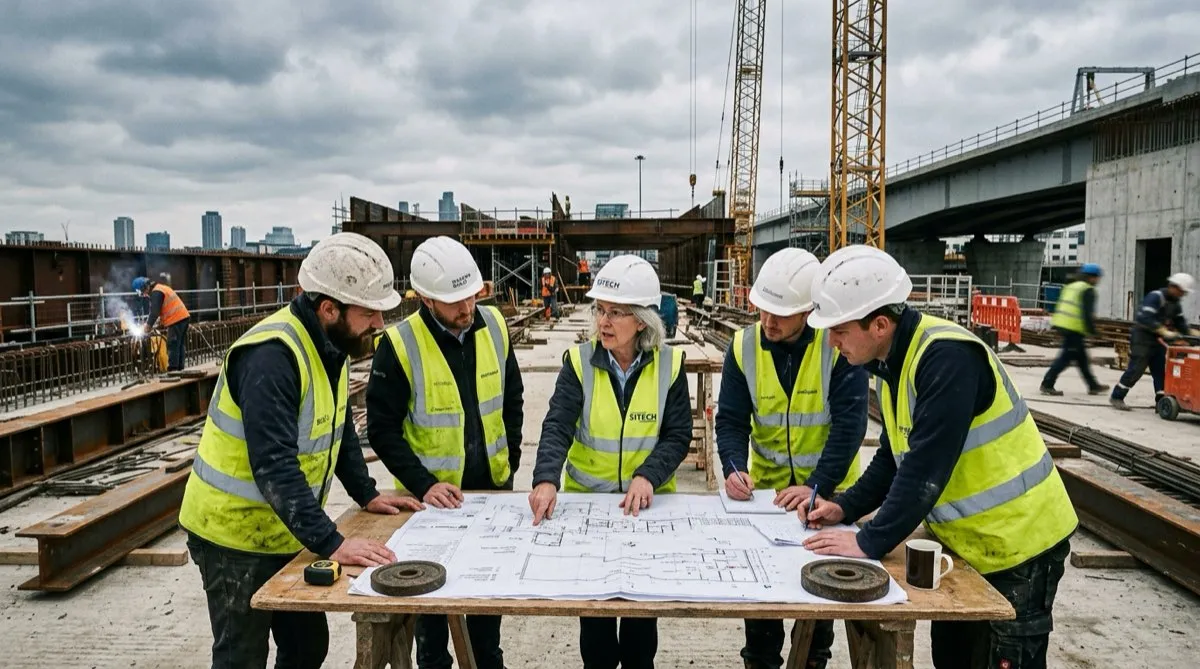 Caption: Engineering teams review structural blueprints on site to mitigate critical project risks.
The growth of Artificial Intelligence (AI) looks promising to researchers and builders alike. However, lasting success is never guaranteed without deliberate preparation. We cannot rely on good intentions alone; building a dependable future requires us to test our assumptions with care.
The Quote That Resonated
I recently read The Worlds I See: Curiosity, Exploration, and Discovery at the Dawn of AI (search) by Dr. Fei-Fei Li. During her preparations to testify before Congress in 2018, she reflected on the responsibilities surrounding AI development. Facing a room filled with public concerns, she summarized her guiding philosophy:
“I have always been optimistic about the power of science, and I remain so. But the tumultuous years leading up to the day had taught me that fruits of optimism aren’t taken for granted. While the future might be bright, it won’t so be by accident. We have to earn it together.” – Dr. Fei-Fei Li, The Worlds I See
Why We Focus on Risks
This perspective reflects how software teams ought to build systems. When drafting designs, teams often concentrate entirely on the happy path. However, accidental oversights create brittle software when traffic spikes or edge cases appear.
Analogy (Civil Engineering): Bridge builders calculate wind shear and material fatigue before pouring asphalt on a suspension deck.
Engineers do not merely paint an attractive picture of cars crossing a gorge. They install structural dampers and inspect steel joints to survive heavy storms.
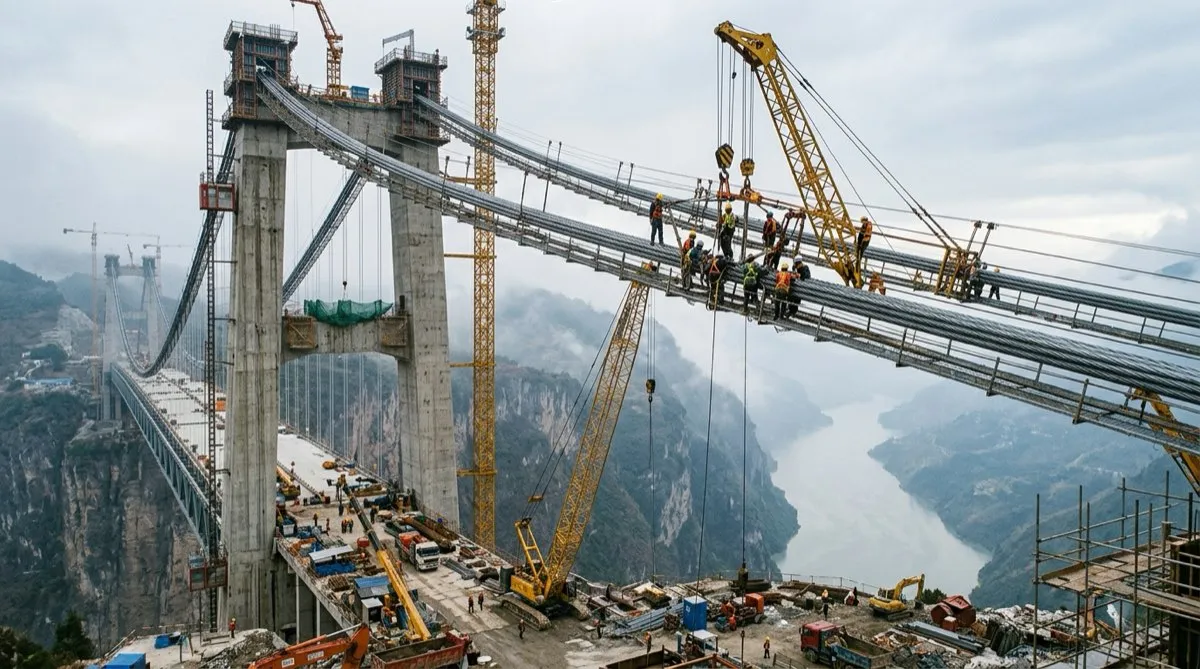
The bridge stands because its creators anticipated points of failure early. In the same manner, thoughtful engineers earn system resilience by testing hazards before deployment.
The Path to an Earned Future
Translating optimism into production software requires structured verification:
graph TD
    A[Optimistic Vision] --> B{Risk Assessment}
    B -- Identify Risks --> C[Design Mitigations]
    C -- Integrate Solutions --> D[Earned Bright Future]
    B -- Ignore Risks --> E[System Failure]
What to do next
Audit your current project proposals for unaddressed operational risks. Write down specific mitigation steps for each identified vulnerability before writing code. Share those contingency plans with your stakeholders to confirm alignment.